AION WHOLE HOUSE
Commercial-grade
water filtration for
your home.
For families who don't compromise.
AION Water is a Texas-based company that designs and builds flagship and custom whole-house and under-sink water filtration systems using advanced carbon-based medias, reverse osmosis, and salt-free hard water treatments.
VERIFIED CUSTOMERS
Real Homes. Real Results.
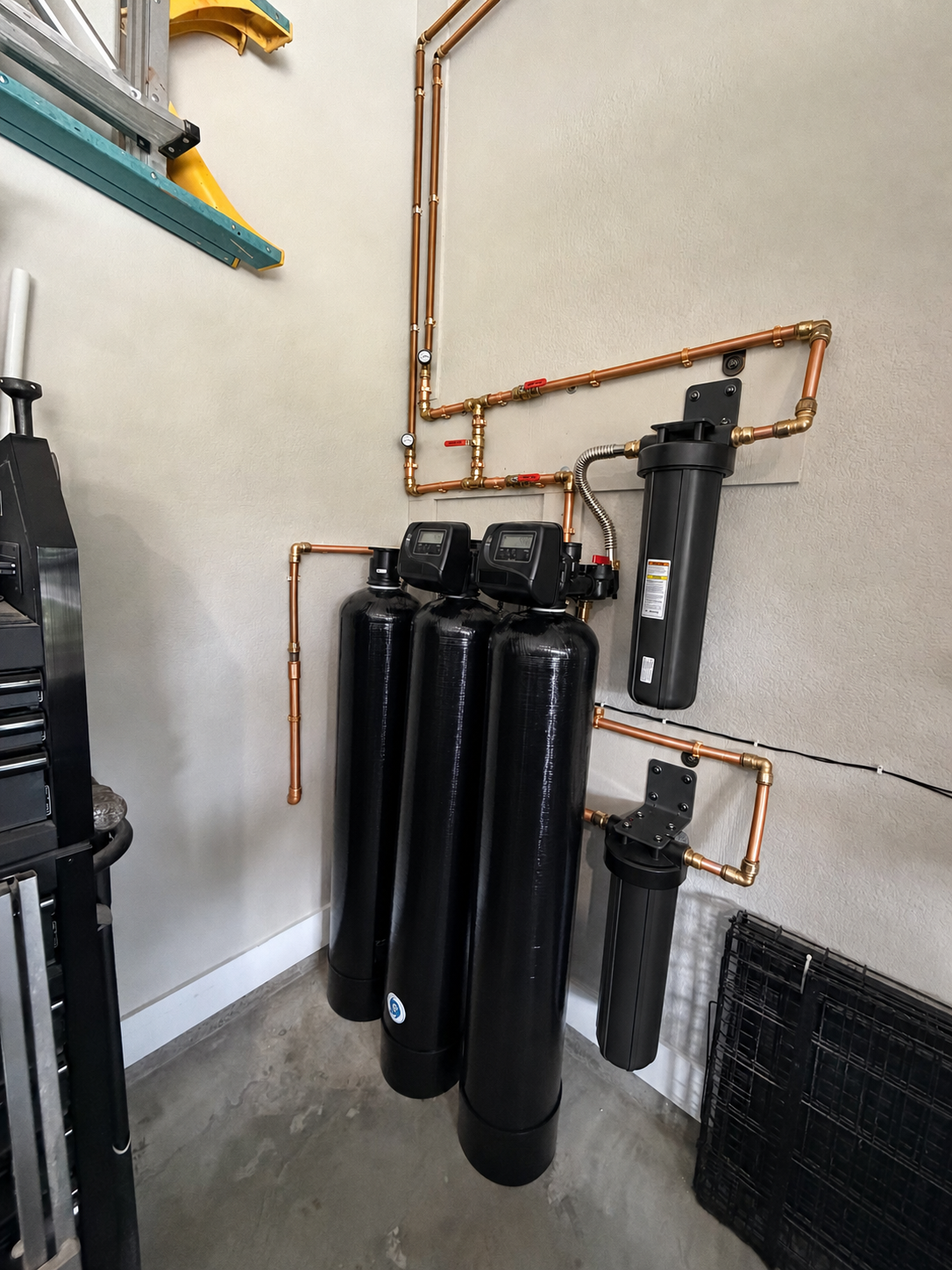
"AION Water tested our water — and the level of contamination was genuinely shocking. We had no idea what was coming out of our faucets."
Vincent & Kika
Cedar Park, TX · AION ESSENTIAL
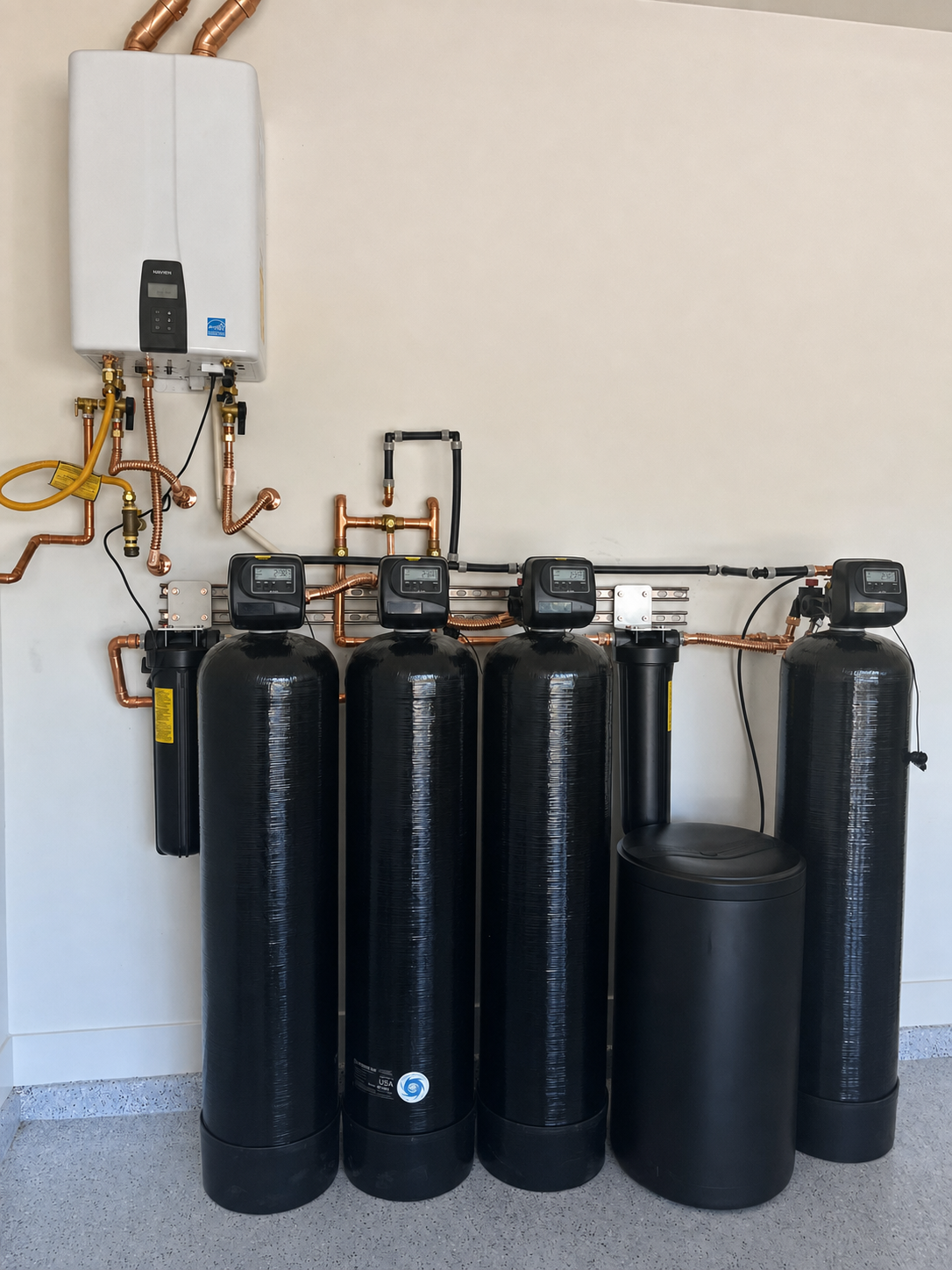
"When we moved our family into our new home, I assumed a brand-new luxury build meant clean water. I was wrong."
Brad & Oni
Scottsdale, AZ · AION MAX + Custom Salt Softener
"It started with my $1,500 espresso machine. Hard water destroyed it — and that was the moment I started asking whether water that could do that to a machine might not be great for my body either."
Brandon & Anna
Austin, TX · AION ADVANCED + AION SALT-FREE
The Uncomfortable Truth
The Water You're
Drinking Right Now
The EPA regulates fewer than 100 contaminants. The EWG Tap Water Database has identified over 300 in U.S. drinking water. The gap between what is regulated and what is present is where your family's health risk lives.

ACTUAL TAP WATER — UNFILTERED
Electron microscopy, magnified 400x. This is what comes out of your tap.
By the Numbers
PFAS / Forever Chemicals
Synthetic Fluorinated Compounds
Peer-reviewed research has associated PFAS exposure with kidney and testicular cancer, thyroid disease, immune system effects, and developmental concerns in children (Source: CDC ATSDR Toxicological Profile, 2021). Detected in approximately 45% of U.S. tap water samples (Source: USGS, 2023). EPA finalized first-ever drinking water limits in April 2024.
⚠ New — EPA regulation began April 2024
Chlorine & Chloramines
Disinfection Byproducts
Reacts with organic matter to form trihalomethanes (THMs) — classified Group 1 carcinogens by the IARC. Research has associated long-term exposure to chlorination byproducts with elevated bladder and colorectal cancer risk (Source: IARC Monographs).
Lead & Heavy Metals
Inorganic Contaminants
No safe level exists for lead exposure. Causes irreversible neurological damage in children, kidney failure, and cardiovascular disease in adults. Present in 186,000+ U.S. water systems.
Arsenic
Metalloid Toxin
A Group 1 carcinogen (IARC). Chronic exposure is associated with bladder, lung, and skin cancers. California's public health goal is 0.004 ppb — 250x lower than the EPA's current 10 ppb limit — reflecting ongoing scientific debate about safe exposure thresholds.
Glyphosate & Atrazine
Agricultural Herbicides
Glyphosate classified as a 'probable carcinogen' (IARC Group 2A, 2015). Atrazine has been shown to cause endocrine effects in amphibians at 0.1 ppb in laboratory studies (Hayes et al., 2002). Atrazine is one of the most commonly detected pesticides in U.S. drinking water (USGS National Water Quality Assessment).
Pharmaceutical Residues
Emerging Contaminants
Antidepressants, hormones, antibiotics, and other pharmaceutical compounds pass through conventional wastewater treatment and have been detected in U.S. waterways. Zero regulatory limits exist for pharmaceutical residues in drinking water.
Nitrates & Nitrites
Agricultural Runoff
Converts to carcinogenic nitrosamines in the body. Causes 'blue baby syndrome' in infants. Linked to colorectal cancer and thyroid disease. Detected in 1 in 5 U.S. wells.
Chromium-6
Industrial Carcinogen
The 'Erin Brockovich chemical.' Causes stomach cancer and is present in the drinking water of more than 200 million Americans. The EPA has yet to set a legal limit.
Microplastics
Synthetic Polymer Fragments
Found in approximately 94% of U.S. tap water samples in a 2018 study (Orb Media and State University of New York at Fredonia). Subsequent research continues to document widespread microplastic presence. Regulatory limits still do not exist.
⚠ No regulatory limit exists
There is only one way to address all of this.
The Industry's Dirty Secret
The Certification Is Real.
The Performance Is Not.
Every filter on the market carries a certification. NSF/ANSI approved. "Removes up to 99% of chlorine." "Reduces lead by 99.6%." The industry has spent decades perfecting the language of safety. What they have not done is show you the data from your actual filter, running at your actual flow rate, in your actual home.
The EBCT Problem
Certified Under Ideal Conditions. Installed Under Real Ones.
Filter media certifications are granted based on Empty Bed Contact Time (EBCT) — the number of seconds water is in contact with the media under controlled laboratory conditions. Catalytic carbon, for instance, requires a minimum of 4 to 5 minutes of contact time to effectively destroy chloramine — a figure confirmed by the Water Quality Association, Hydronix, and water treatment engineering literature.
A standard "Big Blue" 4.5" × 20" whole-house filter running at 10–15 gallons per minute delivers as little as 5 to 10 seconds of contact time. The same media. A fraction of the required exposure. A certification that is technically accurate and practically meaningless.
The certification does not follow the filter into your home. It stays in the laboratory — and the industry is counting on you never noticing the difference.
The AION Standard
We Engineer for Real-World Flow. Then We Prove It.
AION systems are engineered with sufficient media volume, optimized flow restriction, and staged contact chambers to ensure that every contaminant class receives its required EBCT — not in a lab, but at your tap, at your pressure, every time.
And then we do something the rest of the industry refuses to do: we show you the data. Every AION system ships with a third-party laboratory water test protocol — taken from your tap after your plumber completes installation. Not a marketing claim. Not a certification number. A laboratory report with your address on it.
If the report does not show the contaminant reductions we promised — measured at your tap, in your home, at your flow rate — we do not consider the job done.
Contact Time Comparison — Catalytic Carbon (Chloramine Removal)
Required Contact Time
4–5 min
Minimum EBCT for effective chloramine destruction in catalytic carbon media (WQA, Hydronix, WCPOnline)
Big Blue Filter @ 10–15 GPM
5–10 sec
Actual contact time in a standard 4.5" × 20" housing at typical residential flow rate
AION Engineered Contact
4–5+ min
Guaranteed minimum contact time across all AION media stages at rated flow — matching laboratory certification conditions
Ask Any Filter Brand One Question:
"Show me a laboratory water test taken from a customer's tap — after the system was installed by their plumber, at normal household flow rate."
They cannot. Because the certification lives in the lab, and the filter lives in your home — and no one has bothered to check what happens in between. The industry's entire business model depends on you never asking.
The reason water companies make promises but never publish pre- and post-treatment data is simple: the data would not support the promises. Flow rate, contact time, media saturation, and water chemistry all vary by home. A certification number is a single data point taken under conditions that do not exist in your kitchen.
AION was built on the premise that this is unacceptable. We will show you exactly what is in your water before your plumber installs the system. We will show you exactly what remains after. The data is yours. The standard is verified.
Lab Certification vs. Real-World Performance
Contaminant
Cert. Condition
Std. Filter
AION
Chloramine
4–5 min EBCT
5–10 sec actual
Below detection at install
PFAS (long-chain)
Lab-only test
Fast breakthrough
95%+ reduction documented
PFAS (short-chain)
Lab-only test
Poor performance
Lead-lag doubles capacity
Lead
Slow flow only
Partial at best
Below EPA action level at install
Arsenic
Extended EBCT
Inadequate contact
Below 1 ppb at install (influent <50 ppb)
Pharmaceuticals
No standard
Variable, often poor
90%+ reduction documented
Microplastics
No standard
Cartridge-dependent
Below detection limit at install
Chloramine
Cert. Condition
4–5 min EBCT
Std. Filter
5–10 sec actual
AION
Below detection at install
PFAS (long-chain)
Cert. Condition
Lab-only test
Std. Filter
Fast breakthrough
AION
95%+ reduction documented
PFAS (short-chain)
Cert. Condition
Lab-only test
Std. Filter
Poor performance
AION
Lead-lag doubles capacity
Lead
Cert. Condition
Slow flow only
Std. Filter
Partial at best
AION
Below EPA action level at install
Arsenic
Cert. Condition
Extended EBCT
Std. Filter
Inadequate contact
AION
Below 1 ppb at install (influent <50 ppb)
Pharmaceuticals
Cert. Condition
No standard
Std. Filter
Variable, often poor
AION
90%+ reduction documented
Microplastics
Cert. Condition
No standard
Std. Filter
Cartridge-dependent
AION
Below detection limit at install
AION performance verified by independent third-party laboratory water analysis conducted post-installation by customer's plumber. Reports available upon request.
The Technology Gap
Most Water Filters Are Still
Running 1980s Technology.
Granular Activated Carbon (GAC) — the media inside most household filters — was commercialized in the 1970s and 1980s. Early GAC achieved only 500–1,000 m²/g of surface area. It was designed for the contaminants of that era: chlorine, sediment, basic taste and odor. It was never designed for PFAS, microplastics, or pharmaceutical residues — because those threats didn't exist yet.
Standard GAC Media
Granular Activated Carbon
Surface area: 500–1,000 m²/g — engineered for chlorine and basic sediment.
Pore structure: macro-pores only — physically incapable of trapping large organic molecules like PFAS.
PFAS capture rate: near zero. Microplastics: not addressed.
Still sold today as the primary media in most household filters.
AION CORE MAX Media
AION CORE MAX
Next-Generation Adsorption Media
Ultra-high surface area — up to 13× the surface area of 1980s GAC.
Engineered pore geometry targets PFAS, pharmaceutical residues, and emerging contaminants at the molecular level.
PFAS capture: all 6 EPA-regulated families including short-chain GenX and PFBS — contaminants that standard GAC cannot meaningfully address.
Standard in every AION system as Stage 2. Broad-spectrum adsorption that 1980s technology was never capable of — included as a baseline, not an upgrade.
The Salt Softener Problem
Scale Prevention Without Salt.
Salt-based ion exchange softeners replace calcium and magnesium with sodium. They require a 40–80 lb bag of salt every 4–6 weeks, discharge brine into the wastewater system, and are restricted in some California counties due to brine discharge impact on water reuse systems.
AION SALT-FREE uses Nucleation Assisted Crystallization (NAC) media — a scale prevention approach that converts hardness minerals into stable micro-crystals that pass through your plumbing without forming scale. No salt. No sodium addition. No brine discharge. No electricity. Note: NAC prevents scale; it does not remove hardness minerals from water. For complete hardness removal, a traditional softener would be required downstream.
Standard Softener
AION SALT-FREE
Salt required
40–80 lbs / month
None
Brine discharge
Yes — restricted in many counties
None
Sodium added to water
Yes
No
Maintenance
Monthly refill
Annual media check
Technology era
1970s ion exchange
NAC crystallization
Standard Softener
AION SALT-FREE
Salt required
40–80 lbs / month
None
Brine discharge
Yes — restricted in many counties
None
Sodium added to water
Yes
No
Maintenance
Monthly refill
Annual media check
Technology era
1970s ion exchange
NAC crystallization
Our Systems
Choose Your Protection
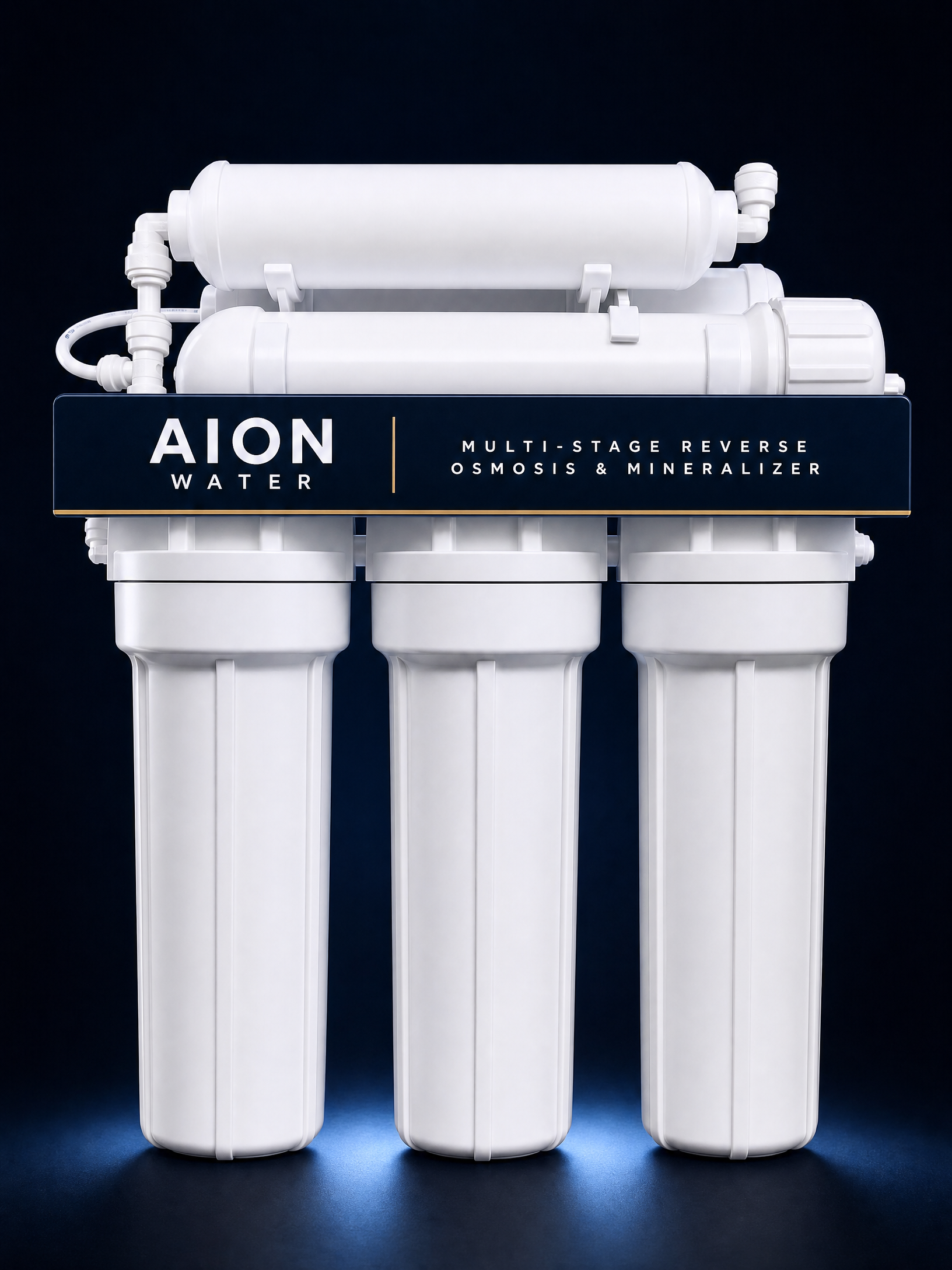
AVAILABLE NOW
Under Sink
Multi-Stage RO & Mineralizer
$999 $1,495
Intro Price — First 50 Orders
Not just clean water — health-promoting water. Our antioxidant mineral blend delivers negative ORP, molecular hydrogen, and optimal pH at your kitchen tap.
Every System Includes
- 100 GPD high-rejection RO membrane
- Antioxidant remineralization stage
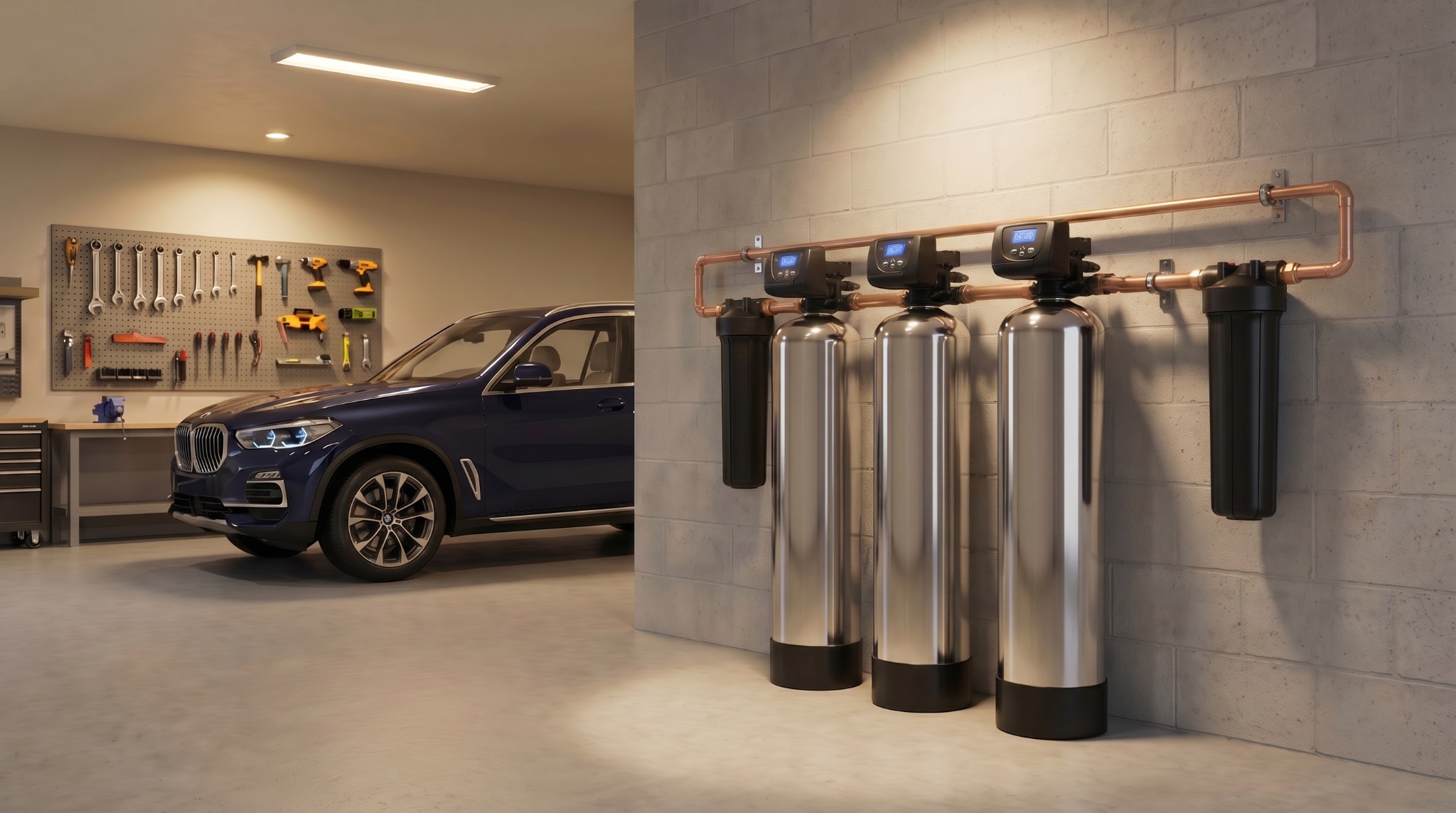
Custom Built
Whole House System
Custom Whole-Home Filtration
Explore Your Options
Free 30-minute consultation
AION whole-house systems are configured to your specific water profile and your home's flow rate. Each install begins with a third-party water test, includes engineering review by AION's water chemistry team, and concludes with a post-install verification test. Three engineered tiers (Essential, Advanced, Max) plus full customization for specific contamination profiles.
Every Purchase Includes
- Full water analysis & lab report
- Custom system design & engineering
- 12-month service plan

The AION Standard
Not Filtered.
Engineered.
AION's seven-stage architecture combines catalytic carbon, a 0.001–0.01 micron nano-ceramic membrane, high-rejection reverse osmosis, and mixed-bed deionization — targeting output below 5 TDS, the standard used in laboratory and pharmaceutical-grade water systems.
The nano-ceramic membrane provides superior mechanical filtration that protects the RO membrane from fouling — extending its service life significantly compared to conventional pretreatment. Stage 6 remineralization then restores calcium, magnesium, and trace minerals at naturally balanced ratios, raising pH to 7–8.5 for optimal taste and cellular absorption.
Every AION system ships with a third-party laboratory water quality report. We do not ask you to trust our marketing. We give you the data.
0.001μm
Nano-Ceramic Precision
< 5 ppm
DI Output TDS
7–8.5
Output pH (Remineralized)
9 primary source citations from USGS, EPA, CDC, and peer-reviewed journals
Choose Your Level of Protection
Your Kitchen Faucet
Is Only One Exposure Point.
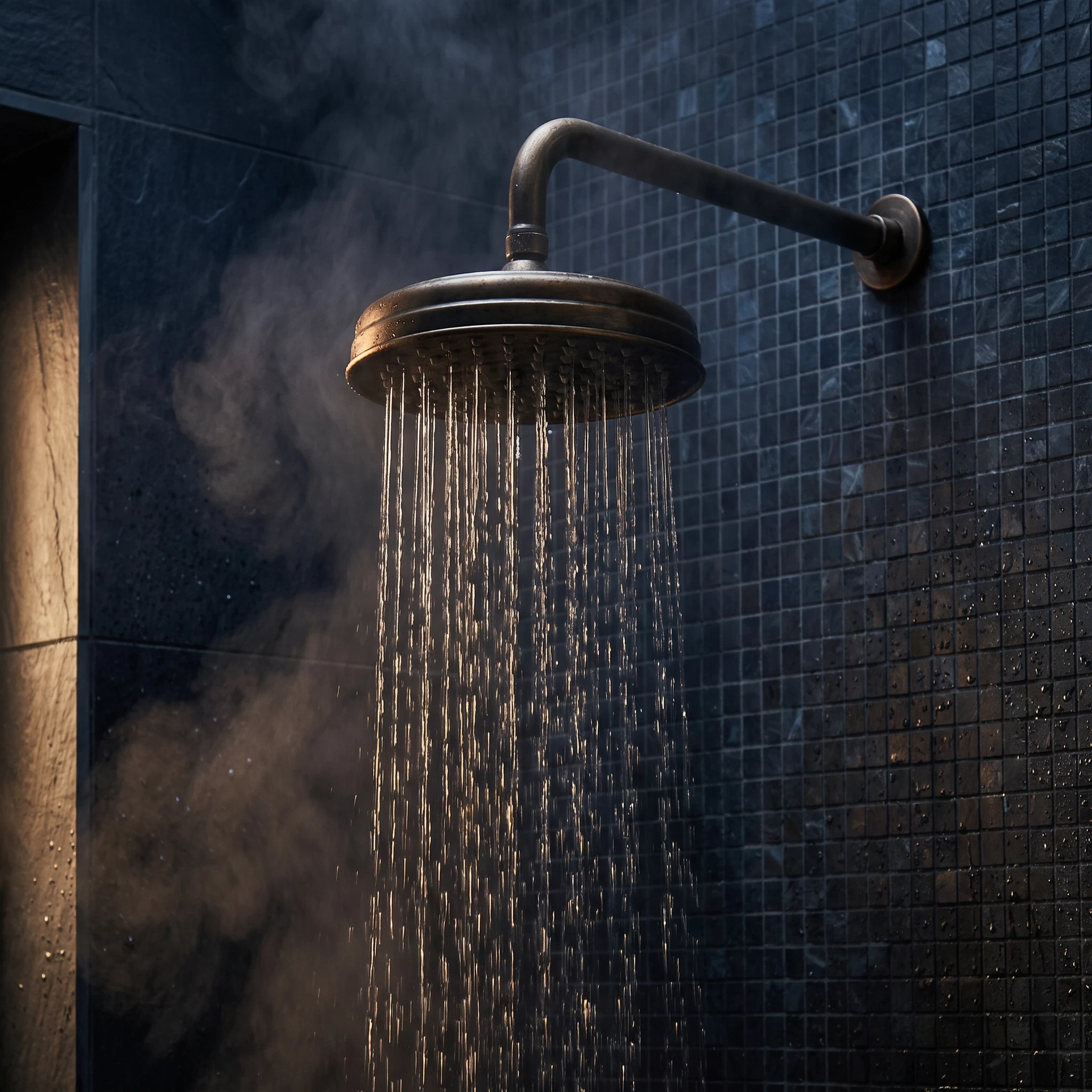
Shower & Bath
10 min shower
Showering provides significant dermal absorption and inhalation exposure to chlorinated compounds. Research published in the American Journal of Public Health and subsequent studies suggests that for volatile compounds like chloroform, inhalation and dermal exposure during showering can be comparable to or exceed ingestion exposure. Steam inhalation delivers volatile contaminants directly into the respiratory system.

Children's Baths
3× more absorbed
Pediatric skin is significantly more permeable than adult skin, according to the American Academy of Pediatrics. A 20-minute bath exposes a child to chlorine, chloramine, trihalomethanes, and VOCs through dermal contact. Under-sink filtration does not protect bathwater.
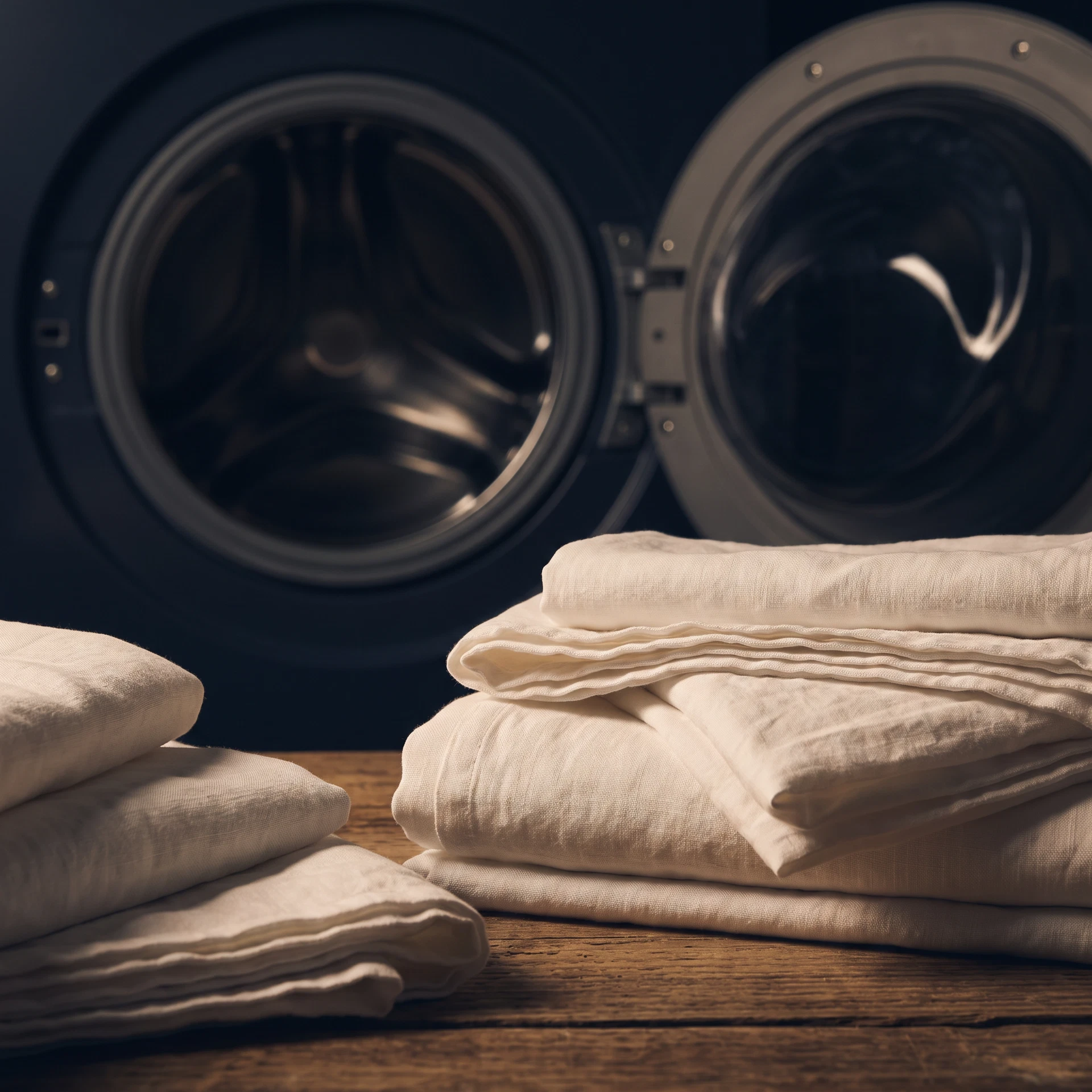
Laundry & Textiles
Chlorine residue
Chlorine and chloramine in wash water react with organic compounds in fabric to form chlorinated byproducts. These residues remain in clothing and bedding — in direct contact with skin for hours every day, including your children's pajamas.

Cooking & Boiling
Concentrates toxins
Boiling tap water does not remove PFAS, heavy metals, nitrates, or pharmaceutical residues — it concentrates them. Every pot of pasta, every cup of tea, every steamed vegetable prepared with unfiltered water delivers a concentrated dose of contaminants.
AION POINT OF USE
Under Sink System
AION CUSTOM
Whole House System
A full 200-contaminant pre-treatment water test, and an engineering consultation — all applied toward your custom build.
The average American family of four is exposed to contaminated water through 8–12 contact points per day.
Drinking is one. Showering, bathing, hand-washing, cooking, laundry, and brushing teeth account for the rest. A point-of-use filter addresses one contact point. A whole house system addresses all of them.
8–12×
DAILY CONTAMINATION EXPOSURE POINTS
Our Mission
Commercial-Grade Filtration.
Engineered to Perform.
We engineer for real-world conditions. We document our chemistry. We tell you what these systems do and don’t do. AION sets the standard for honest residential water treatment.
AION whole-house systems are engineered for every exposure route — drinking, cooking, showering, bathing, and laundry. Commercial-grade protection at every tap, every shower, every day.
94.4%
of U.S. tap water contains microplastics
Up from near zero 20 years ago
45%
of U.S. tap water contains PFAS
New compounds still being discovered
9.2M
lead service lines still in service
Pipes only get older
Seasonal
chlorine levels vary by utility
No notice required to residents
19%
Southwest wells exceed EPA arsenic limits
Fluctuates with drought cycles
Thousands
boil water advisories issued annually
A clean test is a snapshot
AION systems are sized with deliberate excess capacity — not for today's contamination levels, but for tomorrow's. The landscape is not static. Your protection should not be either.